Sri Lankan cuisine is a delicious journey through tropical spices, fragrant curries, fresh seafood, and unforgettable local flavors. Whether you are exploring Colombo’s bustling streets, relaxing on the southern beaches, or discovering the cultural treasures of Kandy, food is an essential part of experiencing Sri Lanka.
Known for its aromatic spices, coconut-based dishes, and unique cooking traditions, Sri Lanka offers an exciting culinary adventure for every traveler.
From traditional rice and curry to crispy hoppers and spicy kottu roti, here are 12 must-try dishes that will make your Sri Lankan holiday even more memorable.
Table of Contents
- What Makes Sri Lankan Cuisine Special?
- 12 Traditional Sri Lankan Foods You Must Try
- Best Places to Experience Sri Lankan Food
- Is Sri Lankan Food Spicy?
- Vegetarian and Vegan Food in Sri Lanka
- Sri Lankan Food Experiences for Travelers
- Frequently Asked Questions
- Discover Sri Lanka Through Its Food
What Makes Sri Lankan Cuisine Special?
Sri Lankan cuisine reflects the island’s rich history, diverse cultures, and centuries of international trade.
Influenced by Sinhalese, Tamil, Muslim, Burgher, and other culinary traditions, Sri Lankan cooking combines local ingredients with distinctive techniques and flavors.
Fresh coconut, curry leaves, cinnamon, pandan leaves, turmeric, cardamom, and chili are commonly used to create flavorful meals.
What makes Sri Lankan food particularly exciting is the combination of sweet, spicy, sour, and savory tastes.
Unlike many other cuisines, a traditional Sri Lankan meal often includes several small dishes served together, creating a wonderful balance of textures and flavors.
12 Traditional Sri Lankan Foods You Must Try
1. Rice and Curry – The Heart of Sri Lankan Cuisine
Rice and curry is the most iconic everyday meal in Sri Lanka.
A traditional plate usually includes steamed rice accompanied by several curries, vegetables, sambols, and sometimes fish, chicken, or meat.
Popular accompaniments include:
- Dhal curry made with lentils and coconut milk
- Pol sambol, a spicy coconut relish
- Beetroot curry
- Jackfruit curry
- Fish or chicken curry
- Mallung, finely chopped leafy greens
Every household and restaurant has its own variations, making rice and curry a different experience wherever you travel.
Best experience: Enjoy a homemade rice and curry lunch at a local family-run restaurant.
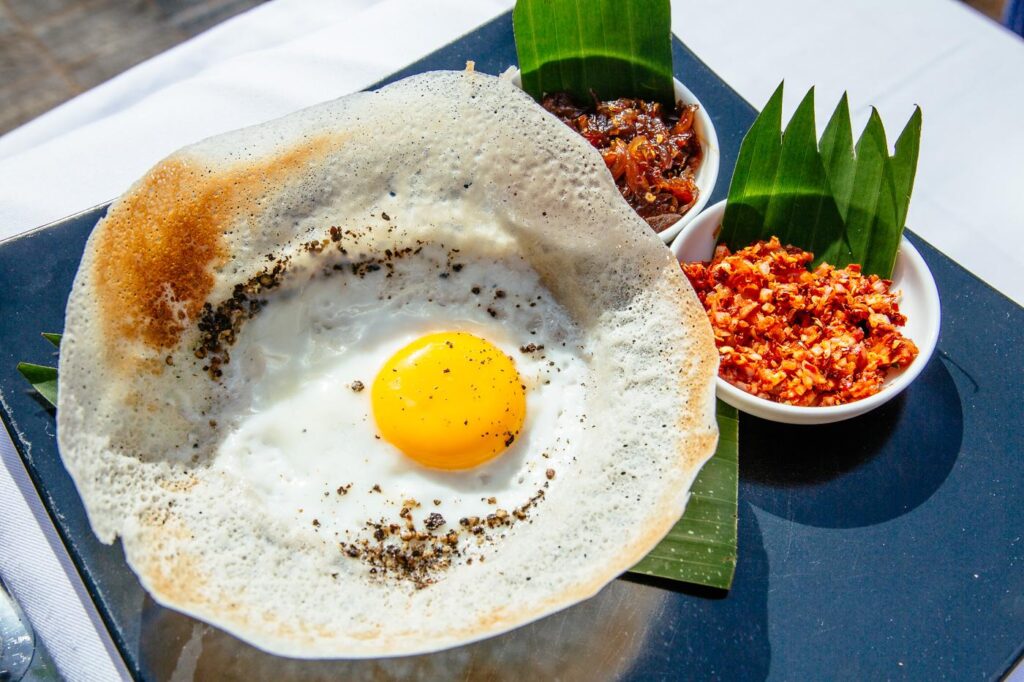
2. Hoppers (Appa) – Sri Lanka’s Famous Bowl-Shaped Pancakes
Hoppers are thin, bowl-shaped pancakes made from a fermented rice flour batter, often prepared with coconut milk.
They have crispy edges and a soft center.
Egg hoppers are particularly popular, featuring an egg cooked in the middle.
Hoppers are commonly served with lunu miris, a spicy onion and chili relish.
Best experience: Try freshly prepared egg hoppers for breakfast or dinner.
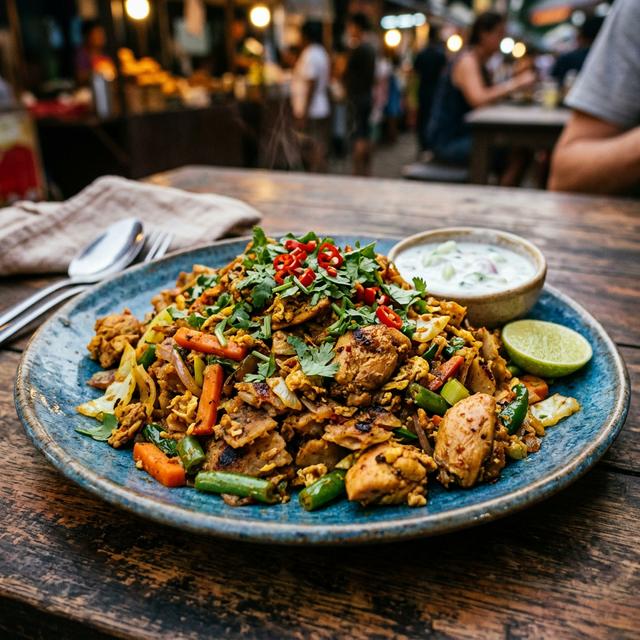
3. Kottu Roti – Sri Lanka’s Favorite Street Food
Kottu roti is one of Sri Lanka’s most famous street foods.
It is made by chopping flatbread into small pieces and stir-frying it with vegetables, spices, eggs, and optional chicken, beef, or cheese.
The rhythmic sound of metal blades chopping kottu on a hot griddle is a familiar part of Sri Lankan street-food culture.
Best experience: Visit a busy local kottu restaurant in Colombo during the evening.
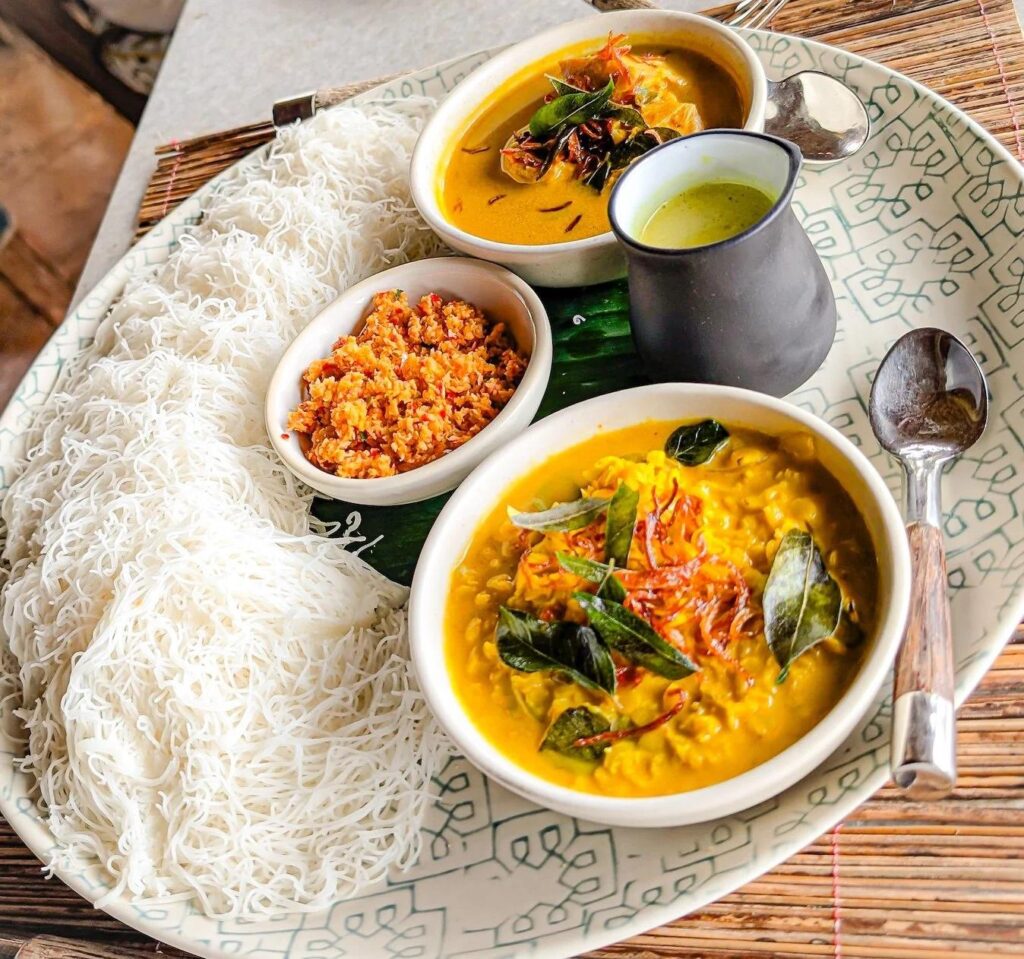
4. String Hoppers (Indi Appa) – A Traditional Breakfast
String hoppers are delicate steamed nests made from rice flour dough.
They are commonly served with coconut milk gravy, dhal curry, chicken curry, and pol sambol.
Their light texture makes them an excellent breakfast or dinner option.
Best experience: Enjoy string hoppers with kiri hodi, a mild coconut milk gravy.
5. Pol Sambol – A Spicy Coconut Delight
Pol sambol is a traditional Sri Lankan condiment made with freshly grated coconut, chili, onion or shallots, lime juice, and salt.
Some variations also contain Maldive fish.
It is often served with rice, bread, hoppers, or string hoppers.
The combination of coconut, chili, and lime creates a refreshing yet spicy flavor.
Best experience: Try pol sambol with freshly baked Sri Lankan bread.
6. Lamprais – A Delicious Banana Leaf Meal
Lamprais is a distinctive Sri Lankan dish associated with the island’s Dutch Burgher culinary heritage.
It typically consists of seasoned rice, meat curry, accompaniments, and sambols wrapped in a banana leaf and baked.
The banana leaf contributes a wonderful aroma to the meal.
Best experience: Look for traditional lamprais at established restaurants and bakeries in Colombo.
7. Fish Ambul Thiyal – A Tangy Southern Specialty
Fish ambul thiyal is a traditional sour fish curry particularly associated with southern Sri Lanka.
Firm fish is cooked with spices and goraka, a souring ingredient that gives the dish its distinctive tangy flavor.
Unlike many coconut-based curries, ambul thiyal is relatively dry and intensely flavored.
Best experience: Enjoy it with rice during a coastal food experience.
8. Kiribath – Traditional Sri Lankan Milk Rice
Kiribath is a traditional dish prepared by cooking rice with coconut milk.
It is often served during celebrations, festivals, and special family occasions.
The cooked rice is usually shaped and cut into diamond-shaped pieces.
Kiribath is commonly enjoyed with lunu miris or a sweet accompaniment.
Best experience: Try kiribath for breakfast during your stay in Sri Lanka.
9. Pittu – Steamed Rice Flour and Coconut
Pittu is made by steaming a mixture of rice flour and grated coconut, traditionally in cylindrical molds.
It has a soft, crumbly texture and is often served with coconut milk and curry.
Pittu is a popular breakfast or dinner choice in many Sri Lankan homes.
Best experience: Pair freshly steamed pittu with a rich coconut milk gravy and spicy curry.
10. Isso Wade – A Crispy Prawn Snack
Isso wade is a popular Sri Lankan street-food snack made from a spiced lentil-based mixture topped with prawns and fried until crispy.
It is particularly associated with seaside snack stalls and busy public spaces.
Best experience: Try freshly cooked isso wade from a reputable vendor near Colombo’s Galle Face Green.
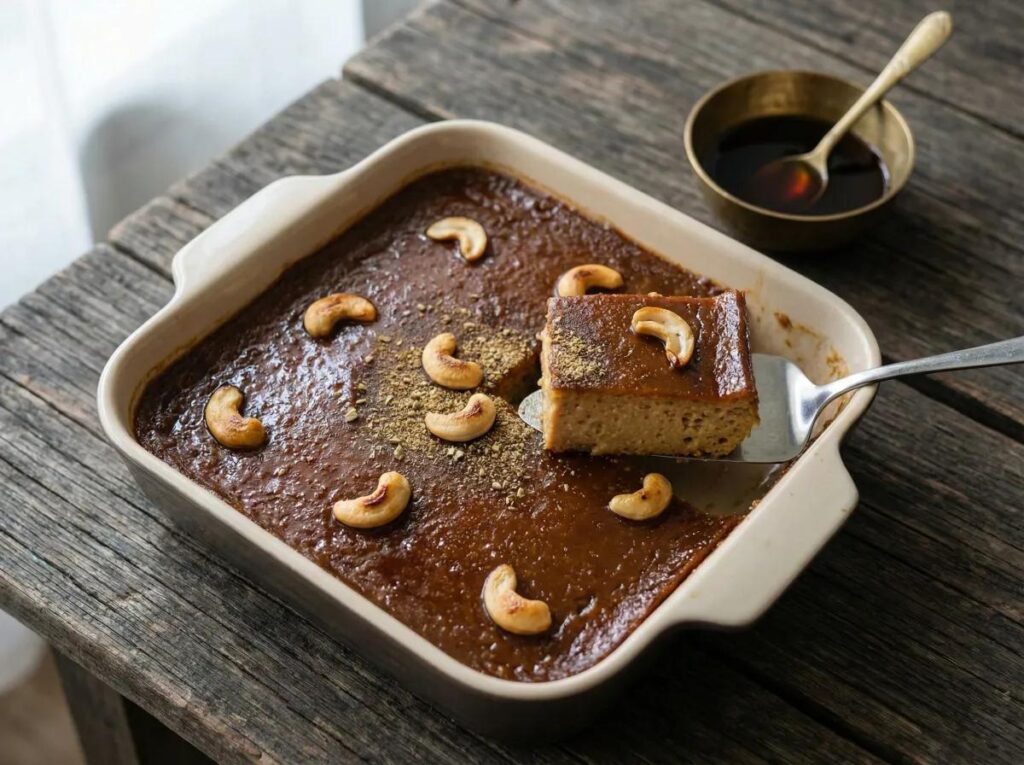
11. Watalappan – A Sweet Coconut Custard
Watalappan is a traditional Sri Lankan dessert with strong associations with the country’s Muslim community.
It is usually prepared with coconut milk, jaggery, eggs, and aromatic spices such as cardamom and nutmeg.
The result is a rich, smooth custard with a delicious caramel-like sweetness.
Best experience: Enjoy watalappan after a traditional Sri Lankan meal.
12. Curd and Kithul Treacle – A Naturally Sweet Treat
Buffalo milk curd served with kithul treacle is a much-loved Sri Lankan dessert.
The thick, tangy curd balances beautifully with the rich sweetness of treacle made from the sap of the kithul palm.
This simple combination is especially popular in southern Sri Lanka.
Best experience: Try fresh buffalo curd with authentic kithul treacle during a countryside journey.
Best Places to Experience Sri Lankan Cuisine
The best food in Sri Lanka changes by region: coastal towns are known for seafood, while northern and hill-country cooking each have their own specialties. In Colombo, try a reputable market or restaurant with a local guide; in smaller towns, ask where residents eat. Our Sri Lanka activities guide and destination guide can help you add food stops to a wider route.
Colombo – Street Food and Local Restaurants
Colombo offers everything from small neighborhood eateries to modern restaurants serving traditional Sri Lankan dishes.
It is an excellent destination for trying kottu, hoppers, lamprais, and other local specialties.
Kandy – Traditional Hill Country Flavors
Kandy offers opportunities to experience traditional home-style cooking, rice and curry, and regional food traditions.
Visitors can also discover local markets selling spices, fruits, and fresh produce.
Galle and the Southern Coast – Fresh Seafood
The southern coastal region is known for its fresh fish, prawns, crab, and flavorful seafood curries.
Traditional dishes such as fish ambul thiyal are particularly worth exploring.
Jaffna – Bold Northern Flavors
Jaffna has a distinctive Tamil culinary heritage.
Popular specialties include Jaffna-style crab curry, spicy seafood dishes, dosai, and other regional preparations.
For travelers interested in authentic local food, Jaffna offers a memorable culinary experience.
Is Sri Lankan Food Spicy?
Sri Lankan food is often spicy, but not every dish is hot.
Many traditional recipes use chili, black pepper, and aromatic spices, while coconut milk helps balance stronger flavors.
If you prefer milder food, ask your restaurant to prepare dishes with less chili where possible.
Dishes such as kiribath, some dhal curries, and certain coconut milk gravies can be suitable choices for travelers who prefer gentler flavors.
Vegetarian and Vegan Food in Sri Lanka
Sri Lanka is an excellent destination for travelers interested in plant-based food.
Many traditional dishes feature vegetables, lentils, coconut milk, jackfruit, and leafy greens.
Popular choices include dhal curry, pumpkin curry, jackfruit curry, vegetable rice and curry, and coconut sambol.
However, some dishes may contain Maldive fish, dried fish, ghee, eggs, or other animal-derived ingredients.
Vegetarian and vegan travelers should confirm ingredients when ordering.
Sri Lankan Food Experiences Every Traveler Should Try
Food is more than something to eat during a holiday. It is a way to connect with local communities and understand Sri Lankan culture.
Consider adding these experiences to your travel itinerary:
- Join a traditional Sri Lankan cooking class.
- Explore a local market with a knowledgeable guide.
- Enjoy a home-cooked rice and curry meal.
- Try fresh seafood along the southern coast.
- Discover Colombo’s evening street-food culture.
- Visit a spice garden to learn about cinnamon and other local ingredients.
For additional travel inspiration, explore the official Sri Lanka Tourism website and learn about the island’s cultural heritage through UNESCO World Heritage.
You can also explore our Sri Lanka tour packages or read our best time to visit Sri Lanka guide to plan your holiday.
A food tour can be one of the most memorable ways to explore Sri Lankan cuisine. Ask a local guide to explain regional ingredients, spice levels, and how dishes are traditionally served. If you have allergies, dietary restrictions, or a sensitive stomach, tell the cook or vendor clearly and choose food that is freshly prepared. A little context makes it easier to enjoy Sri Lankan street food while making informed choices.
Frequently Asked Questions About Sri Lankan Cuisine
What is the most popular food in Sri Lanka?
Rice and curry is one of the most widely eaten traditional meals in Sri Lanka. Kottu roti, hoppers, and string hoppers are also very popular.
Is Sri Lankan food similar to Indian food?
Sri Lankan and Indian cuisines share some ingredients and cooking traditions, but Sri Lankan cuisine has distinctive regional specialties, coconut-based preparations, and flavor combinations.
What should tourists eat in Sri Lanka?
First-time visitors should try rice and curry, egg hoppers, kottu roti, string hoppers, fish ambul thiyal, and watalappan.
Can tourists find vegetarian food in Sri Lanka?
Yes. Vegetarian dishes are widely available, although visitors should check whether individual preparations contain fish-based ingredients or other animal products.
Is street food safe to eat in Sri Lanka?
Choose busy, clean vendors where food is freshly cooked and served hot. Use additional caution with unrefrigerated foods, untreated water, and raw ingredients.
Discover Sri Lanka Through Its Food
Sri Lankan cuisine offers much more than delicious meals. It tells the story of the island’s people, culture, traditions, and natural ingredients.
From spicy street food in Colombo to traditional rice and curry in the hill country and fresh seafood along the coast, every destination offers something new to taste.
Whether you are planning a romantic getaway, a family holiday, or a cultural adventure, exploring local food will make your journey even more memorable.
Ready to discover the authentic flavors of Sri Lanka?
Explore our Sri Lanka holiday experiences and create a journey filled with unforgettable destinations, cultural discoveries, and delicious local cuisine.
Plan your Sri Lankan food and cultural adventure today!
admin
Sharing stories, tips, and local knowledge from across Sri Lanka.