Is Sri Lanka safe to travel in 2027? This is one of the most important questions travelers ask before booking a holiday to this beautiful tropical island.
Sri Lanka is famous for its golden beaches, ancient temples, breathtaking mountains, wildlife safaris, scenic train journeys, and warm hospitality. From the historic streets of Galle Fort to the tea plantations of Ella, the island offers unforgettable experiences for families, couples, solo travelers, and adventure seekers.
The short answer is that Sri Lanka remains a destination travelers can visit with appropriate precautions, but it is not risk-free. Visitors should pay attention to government travel advisories, road safety, weather conditions, personal security, and local regulations.
This guide from Romeo Tours explains the main travel risks, 11 essential safety tips, and how to prepare for a more comfortable Sri Lankan holiday.
Last reviewed: October 2026. Government advice and local conditions can change before 2027.
Table of Contents
- Is Sri Lanka Safe to Travel in 2027?
- Is Sri Lanka Safe for Tourists?
- 11 Essential Safety Tips
- Is Sri Lanka Safe for Solo Female Travelers?
- Is Sri Lanka Safe for Families?
- Safest Ways to Travel Around Sri Lanka
- Best Places to Visit in Sri Lanka
- Emergency Contacts
- Frequently Asked Questions
- Plan Your Sri Lanka Holiday
1. Is Sri Lanka Safe to Travel in 2027?
Sri Lanka welcomes international visitors who come to enjoy its natural beauty, cultural heritage, and unique travel experiences.
However, travelers should not confuse the popularity of a destination with a guarantee of safety.
As of October 2026, the United States advises travelers to exercise increased caution in Sri Lanka. Australia recommends exercising a high degree of caution because of security risks and possible public demonstrations.
The UK also advises visitors to remain alert to terrorism, crime, protests, road hazards, and changing weather conditions.
These advisories do not mean every tourist area is unsafe. They highlight risks that travelers should understand before visiting.
Before departure, review official guidance from your home country, check your travel insurance, and confirm transportation arrangements.
2. Is Sri Lanka Safe for Tourists?
Many visitors explore Sri Lanka through organized holidays, private tours, and independent travel.
Popular tourist destinations include:
- Sigiriya: Ancient rock fortress and archaeological attractions.
- Kandy: Cultural heritage, temples, and scenic surroundings.
- Ella: Tea plantations, mountain views, and hiking trails.
- Galle: Historic Dutch-era fort and coastal attractions.
- Mirissa: Beaches, coastal scenery, and marine excursions.
- Yala: Wildlife safaris and national park experiences.
- Bentota: Beach resorts and water activities.
- Nuwara Eliya: Cool mountain climate and tea estates.
Tourists should still take reasonable precautions against theft, harassment, scams, traffic accidents, and unsafe swimming conditions.
Choosing reputable accommodation, reliable transportation, and appropriately qualified guides can help reduce avoidable risks.
For inspiration, read our Best Places to Visit in Sri Lanka guide.
3. 11 Essential Safety Tips for Traveling to Sri Lanka
These Sri Lanka safety tips are a starting point, not a substitute for local conditions or official travel advisories. Before each activity, check current guidance, ask a reputable local operator about hazards, and choose an option that matches your experience. Keep emergency contacts and your accommodation details accessible while traveling.
Tip 1: Check Official Travel Advisories
Before traveling, review the latest safety guidance from your government.
Useful official resources include:
- UK Government Sri Lanka Travel Advice
- Australian Government Smartraveller
- US Department of State Travel Advisory
Travel conditions can change because of security developments, severe weather, transportation disruptions, or public demonstrations.
Recheck official advisories shortly before departure and during longer trips, because entry rules, demonstrations, weather events, and local transport can change. Keep a copy of key documents separate from your passport and know how to contact your airline, accommodation, and insurer. This practical preparation supports Sri Lanka travel safety without relying on outdated posts or social-media rumors.
Tip 2: Choose Reliable Transportation
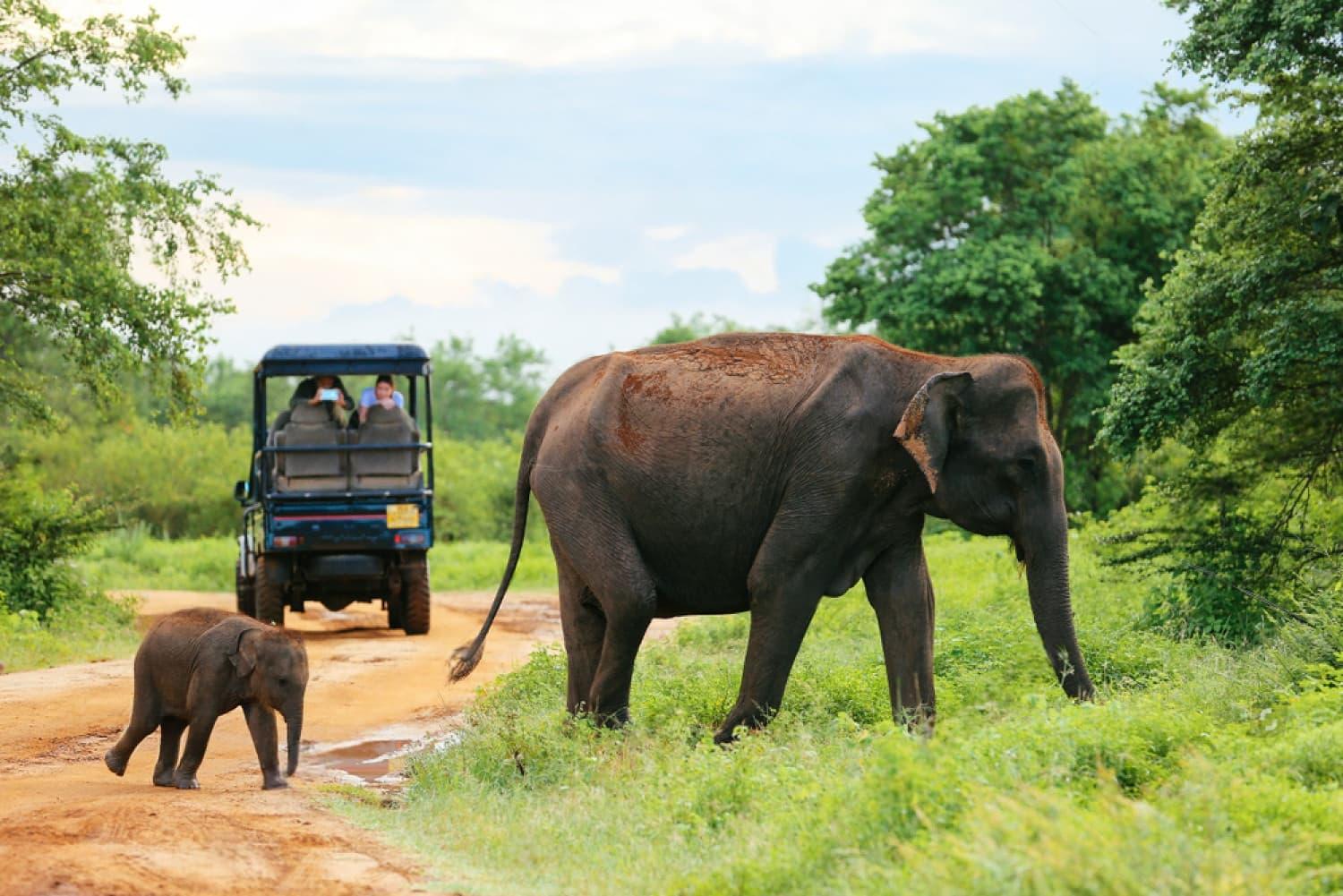
Road safety is an important consideration when visiting Sri Lanka.
Traffic can be unpredictable, especially in busy cities and on narrow mountain roads. Some journeys take longer than expected because of congestion and road conditions.
For a more comfortable experience:
- Use reputable transportation providers.
- Wear seatbelts whenever available.
- Avoid unnecessary overnight road journeys.
- Check vehicle condition before long-distance trips.
- Agree on tuk-tuk fares before departure if there is no working meter.
Traveling with an experienced local driver can make multi-destination holidays easier to organize.
Agree on the route and fare before setting off in a tuk-tuk, use seat belts in cars where available, and book longer transfers with a reputable provider. Avoid driving unfamiliar roads while tired, especially after a flight or late-night arrival. If you rent a scooter, confirm the legal requirements and insurance coverage first; a visitor’s ordinary home license may not be sufficient.
Tip 3: Protect Your Money and Valuables
Petty theft and financial scams can occur in tourist destinations.
Keep your passport, money, and important documents secure. Avoid displaying expensive jewelry or carrying large amounts of cash unnecessarily.
Use ATMs in secure locations, such as banks or established hotels, and monitor your card transactions.
Keep digital copies of important travel documents in a secure location.
Tip 4: Respect Local Customs and Traditions
Sri Lanka has a rich cultural heritage influenced by Buddhism, Hinduism, Islam, and Christianity.
When visiting religious sites:
- Dress modestly and cover your shoulders and knees where required.
- Remove footwear when instructed.
- Respect photography restrictions.
- Avoid inappropriate poses with religious statues.
- Follow the instructions of temple staff.
Respecting local customs helps visitors enjoy meaningful cultural experiences.
Tip 5: Be Careful When Swimming
Sri Lanka has beautiful beaches, but not every beach is safe for swimming throughout the year.
Strong currents, rough seas, and changing monsoon conditions can make some coastal areas dangerous.
Choose beaches with suitable swimming conditions, follow local warnings, and avoid entering the sea when conditions appear unsafe.
Do not assume a beach is safe simply because other people are swimming there.
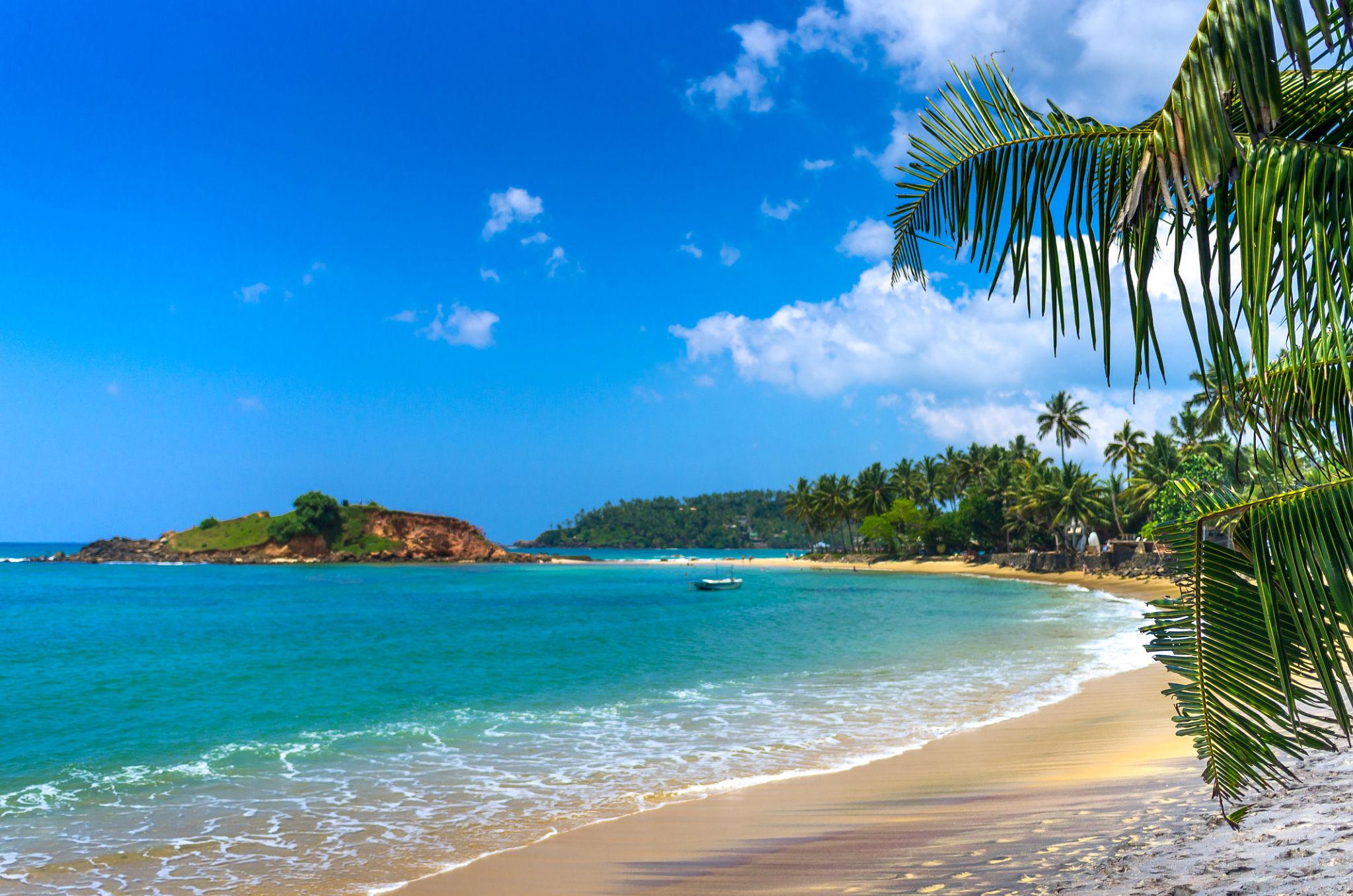
Beach conditions can change along a single stretch of coast. Ask local staff or lifeguards about currents, flags, and safe swimming areas, and do not enter the water during rough conditions. Children should remain within arm’s reach near the sea. A beach that looks calm from shore can still have a strong rip current, so follow local advice rather than relying on appearance.
Tip 6: Drink Safe Water and Choose Food Carefully
Sri Lankan cuisine is one of the highlights of visiting the island.
Travelers can enjoy rice and curry, hoppers, kottu roti, fresh tropical fruit, and seafood.
To reduce the risk of illness:
- Drink sealed bottled, boiled, or properly filtered water.
- Choose food that is freshly prepared and thoroughly cooked.
- Wash or peel fruit when appropriate.
- Practice good hand hygiene.
- Carry oral rehydration supplies when traveling to remote areas.
Travelers with allergies should explain their requirements clearly before ordering meals.
Tip 7: Protect Yourself From Mosquitoes
Dengue fever and other mosquito-borne illnesses are health risks in Sri Lanka.
Use effective insect repellent, wear suitable clothing, and choose accommodation with mosquito protection.
Consult a travel health professional before departure about vaccinations and other precautions appropriate for your itinerary.
Seek medical attention if you develop a fever during or after your trip.
Tip 8: Avoid Demonstrations and Large Political Gatherings
Political demonstrations and public gatherings can occasionally disrupt roads, transportation, and normal activities.
Avoid protests, even when they appear peaceful.
Follow instructions from local authorities and monitor reliable local news during your holiday.
Keep your itinerary flexible in case travel restrictions or road closures affect your plans.
Tip 9: Prepare for Monsoon Weather
Sri Lanka has different seasonal weather patterns across the island.
The southwest monsoon generally affects southwestern areas from May to September, while the northeast monsoon usually affects northeastern areas between December and February. Heavy rain can also occur outside these periods.
Flooding, landslides, and transport disruptions are possible during severe weather.
Before visiting mountainous destinations such as Ella, Kandy, or Nuwara Eliya, check current road and railway conditions.
Read our Best Places to Visit in Sri Lanka guide to help choose destinations for your itinerary.
Tip 10: Purchase Comprehensive Travel Insurance
Travel insurance is essential when planning an international holiday.
Choose a policy that covers medical treatment, emergency evacuation, cancellations, and activities you intend to undertake.
For activities such as surfing, diving, hiking, or motorcycling, verify that your policy includes the necessary coverage.
Medical facilities can be limited outside major cities, so suitable emergency medical protection is particularly important.
Check that your policy covers the activities on your itinerary, including hiking, wildlife excursions, and water sports if you plan them. Save the insurer’s emergency number offline and understand exclusions, excesses, and medical-evacuation terms before buying. Insurance is a backup, not a replacement for safe decisions, qualified guides, or current official Sri Lanka safety advice.
Tip 11: Book With Reputable Local Travel Providers
A reliable local travel company can help organize accommodation, transportation, sightseeing, and suitable routes.
Before booking, verify the company’s contact information, cancellation policy, payment methods, and customer reviews.
Ask for a clear itinerary and confirmation of the services included in the quoted price.
Romeo Tours can help visitors explore Sri Lanka through personalized holiday planning and destination recommendations.
4. Is Sri Lanka Safe for Solo Female Travelers?
Solo female travelers can enjoy Sri Lanka, but additional precautions are sensible.
Harassment, unwanted attention, and sexual assault have been reported, including in crowded areas and public transportation.
Women traveling alone should consider using reputable accommodation, prearranged transfers, and trusted transportation providers, especially at night.
Share your itinerary with someone you trust, avoid isolated locations after dark, and leave any situation that feels uncomfortable.
Joining established guided experiences may also make exploring unfamiliar destinations more convenient.
5. Is Sri Lanka Safe for Families With Children?
Sri Lanka offers many attractions suitable for family holidays.
Children may enjoy wildlife safaris, beach activities, botanical gardens, cultural attractions, and scenic train journeys.
Families should consider travel distances, road conditions, accommodation facilities, and access to medical care.
For younger children, arrange suitable child restraints in advance and confirm that your transport provider can supply them.
Keep children supervised near beaches, swimming pools, wildlife, and busy roads.
A flexible itinerary with adequate rest time is often more enjoyable than trying to visit too many destinations in a short holiday.
6. What Is the Safest Way to Travel Around Sri Lanka?
Visitors have several transportation options, including private vehicles, trains, buses, taxis, and tuk-tuks.
| Transport | Important safety consideration |
|---|---|
| Private car with driver | Verify driver experience, vehicle condition, and seatbelts |
| Train | Keep belongings secure and remain inside the carriage while moving |
| Public bus | Be aware of variable driving and vehicle safety standards |
| Tuk-tuk | Confirm the fare and avoid unsafe driving |
| Rental scooter | Ensure you have a valid licence, helmet, and insurance |
Private transportation may be particularly convenient for families and travelers visiting several destinations.
Train travel can be scenic, but passengers should never lean or hang outside moving carriages.
7. Best Places to Visit in Sri Lanka
Sri Lanka offers a remarkable variety of experiences within a relatively small island.
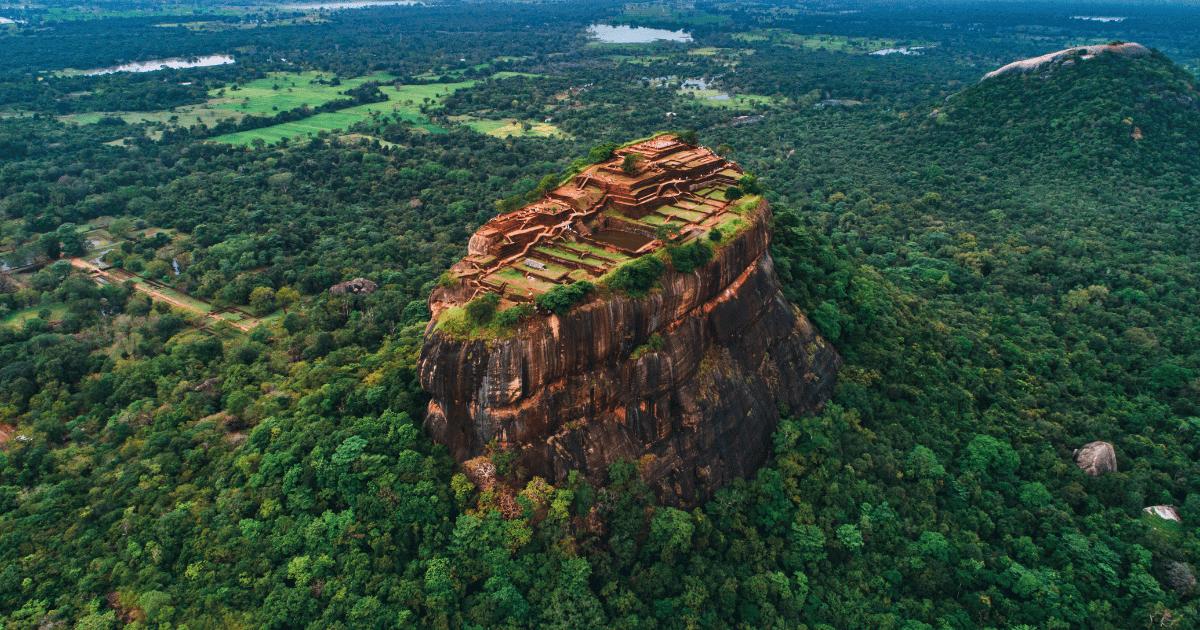
Sigiriya and Dambulla
Discover ancient architecture, fascinating archaeological sites, and impressive landscapes.
Kandy
Explore cultural attractions, botanical gardens, and the surrounding hills.
Ella
Enjoy mountain scenery, waterfalls, tea estates, and walking trails. Check local weather and transport conditions before traveling.
Galle
Walk through the historic fort, discover colonial-era architecture, and enjoy coastal restaurants.
Mirissa and the Southern Coast
Relax by the ocean, explore nearby beaches, and enjoy marine experiences with responsible operators.
Yala National Park
Discover Sri Lanka’s wildlife through guided safari experiences, while maintaining a safe distance from animals.
Explore more destinations in our Sri Lanka travel guide.
8. Important Emergency Contacts in Sri Lanka
Save important emergency numbers before beginning your holiday.
| Service | Contact |
|---|---|
| Police emergency | 119 |
| Police emergency information | 118 |
| Ambulance service (Suwaseriya) | 1990 |
| Fire and rescue | 110 |
| Sri Lanka Tourism hotline | 1912 |
Phone availability and service arrangements can change. Verify emergency contact information with your accommodation or travel provider when you arrive.
Save local emergency numbers and your accommodation’s contact details before heading out, and confirm the correct numbers with an official source because contact information can change. Tell someone your plans for remote hikes or boat trips, keep your phone charged, and carry a small power bank. If an incident occurs, move to a safe location first and contact local authorities or your insurer as appropriate.
9. Frequently Asked Questions About Sri Lanka Travel Safety
Is Sri Lanka safe to travel in 2027?
Sri Lanka can be visited with appropriate precautions, but safety conditions in 2027 cannot be guaranteed in advance. Review updated government travel advisories before booking and departure.
Is Sri Lanka safe for British tourists?
British visitors should follow the UK Foreign, Commonwealth & Development Office’s current travel advice. Important considerations include personal security, demonstrations, road safety, and weather disruptions.
Is Sri Lanka safe for Australian tourists?
Australian travelers should follow Smartraveller’s guidance, which advises exercising a high degree of caution as of October 2026. Check entry requirements, insurance, and local safety information before traveling.
Is Sri Lanka safe for American tourists?
US travelers should review the US Department of State’s Sri Lanka travel advisory. As of October 2026, the advisory is Level 2, meaning travelers should exercise increased caution.
Is Sri Lanka safe for couples and honeymooners?
Sri Lanka offers romantic beaches, boutique accommodation, mountain scenery, and cultural experiences. Couples should use reputable accommodation and transportation providers and follow normal personal safety precautions.
Is Sri Lanka safe for solo travelers?
Solo travelers can explore Sri Lanka, but should take precautions against scams, theft, harassment, unsafe transport, and isolated locations. Planning ahead and choosing trusted providers can help.
Is Sri Lanka safe to visit during monsoon season?
Travel is possible in some regions during monsoon periods, but severe weather can cause flooding, landslides, rough seas, and transportation disruption. Choose destinations according to seasonal conditions and follow weather alerts.
10. Plan Your Sri Lanka Holiday With Romeo Tours
Sri Lanka combines tropical beaches, cultural landmarks, mountain scenery, and incredible wildlife experiences.
Whether you are planning a romantic honeymoon, a family adventure, or a private sightseeing holiday, careful preparation can make your experience more enjoyable.
At Romeo Tours, we help travelers discover the beauty of Sri Lanka and plan itineraries around their interests, available time, and preferred travel style.
Explore our Best Places to Visit in Sri Lanka guide for inspiration.
Ready to explore Sri Lanka? Contact Romeo Tours to discuss your holiday plans and create a personalized itinerary.
Travel safety disclaimer: This article provides general travel information, not a guarantee of safety. Official government advisories, local authority instructions, and professional medical advice should take priority. Information reviewed in October 2026 should be checked again before travel in 2027.
admin
Sharing stories, tips, and local knowledge from across Sri Lanka.


